
7 SEO Mistakes Roofing Companies Make That Kill Their Google Ranking
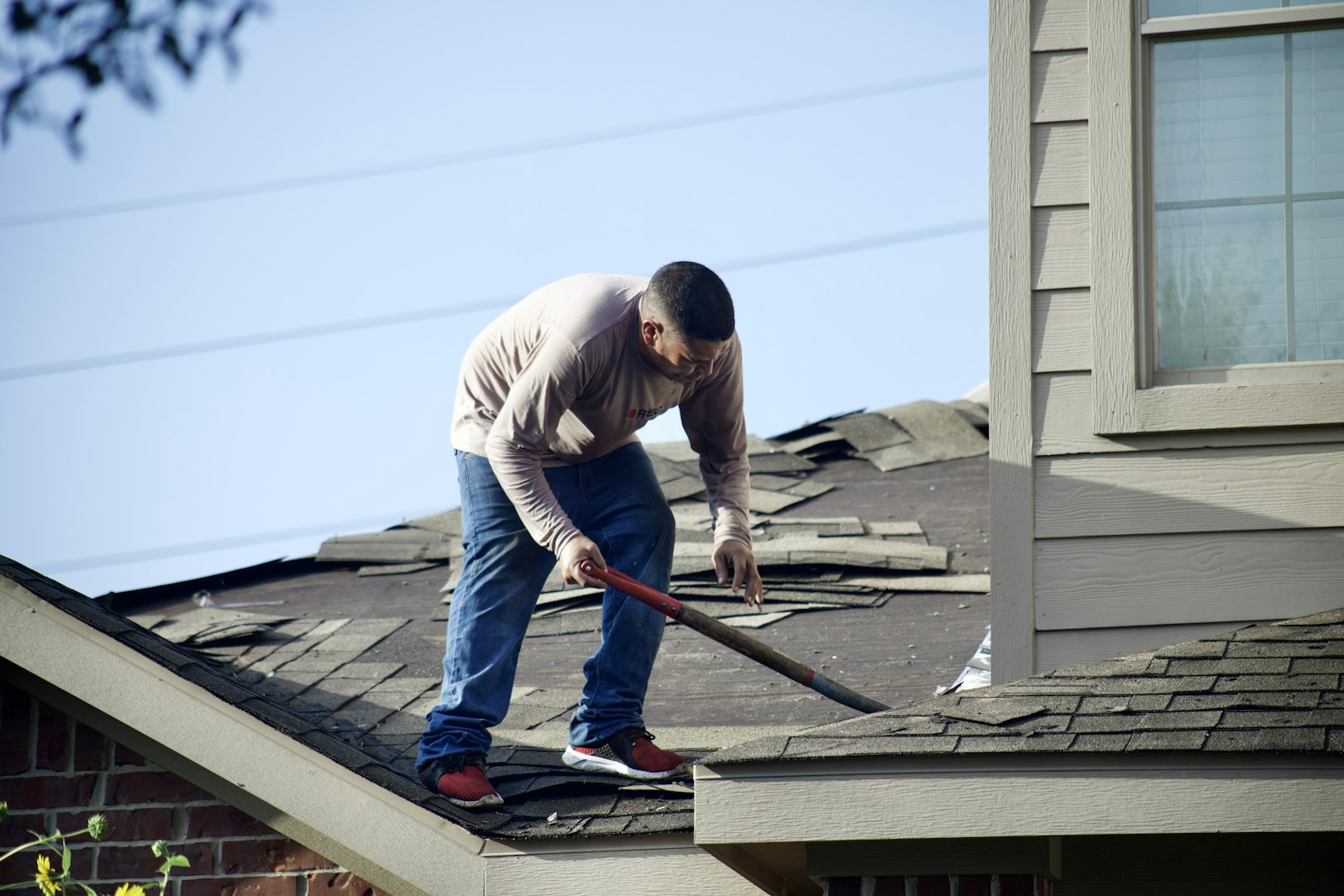
Roofing sites break in different ways than other trades. The big tickets, the storm cycles and the insurance side of the work create roofing SEO mistakes that a plumber or an electrician rarely makes. Most of them start as sensible decisions made in a hurry during a busy season.
I have grouped the seven I see most by where they live: your copy, your website, the map and your reporting. If you want the bigger picture of how local rankings work first, start with my guide to local SEO for roofing companies.
Mistakes in What Your Copy Promises
1. Promising what the insurance company decides
“Get a new roof paid for by insurance” and “your claim handled start to finish” are common lines on roofing storm pages. They read like the door-knocker who showed up after the last hailstorm, which is exactly who a careful homeowner is trying to avoid. Coverage is the insurer’s decision, and some states regulate how contractors can talk about claims and deductibles, so check your state’s rules before you write anything near that line.
Explain the process instead: what damage looks like, what to photograph, when to call the insurer, and what your inspection report includes. Add a plain line saying you are a roofer, not an insurance adviser. That page earns more trust, and it is the kind of answer AI tools and search results are comfortable quoting.
2. Pasting manufacturer copy onto your material pages
Shingle and metal manufacturers publish polished product descriptions, and it is tempting to paste them into your asphalt or standing seam page. Google’s spam policies list republishing content from other sites without adding anything original as an example of scaled content abuse. Even when it is not treated as spam, a copied page gives Google no reason to rank you over the manufacturer, or over the forty other roofers who pasted the same paragraph.
Write what only you know: which products you install and why, how they hold up in your climate, what a typical tear-off and install takes in days, and how your workmanship warranty sits alongside the manufacturer’s. Link to the manufacturer for specs rather than copying them.
Mistakes Built Into Your Website
3. Throwing away storm pages every season
A common pattern is a new page each year, something like a hail damage page with the year in the address, then deleting it in the fall. Every deletion throws away whatever links and history that page earned, and next spring starts from zero again. Pages that disappear also leave broken links behind on your own site.
Keep one permanent storm damage page and one hail page, and update them each season with new photos and notes about recent events. If you already have old dated pages, redirect them to the permanent version instead of deleting them.

4. Drone galleries that are heavy and say nothing
Drone shots are some of the best proof a roofer has, and some of the heaviest files on any small business website. A gallery of full-size images named DJI_0412.jpg slows the page on a phone and tells Google nothing. Google’s image guidelines point to descriptive filenames, alt text and nearby captions as the clues Google reads.
Resize and compress before uploading, name files for what they show, and caption each project with the material and the town, if the homeowner agreed. A gallery that says “standing seam metal replacement, north side of town” works for visitors and search at the same time.
5. One page for homeowners and property managers
Residential and commercial roofing are different searches by different buyers. A homeowner reads about shingle colors and financing. A property manager wants TPO or other flat-roof systems, maintenance plans and how you handle tenants during the work. Cramming both onto one services page serves neither, and it gives Google a blurry picture of which searches you deserve.
If commercial work is a real part of your business, give it its own section of the site with its own pages. If it is occasional, mention it briefly and keep the residential pages focused.
A Mistake on the Map
6. Stretching your service area after every storm
When a storm hits two counties over, many roofers add every town in it to their Google Business Profile. Google’s guidelines cap the overall service area at about two hours of driving time from your base, and in my experience adding towns does not change where you show up. Your verified location still anchors that.
Keep the profile service area honest and steady, and show storm work farther out through real project pages on your website. I cover the full profile setup in my Google Business Profile guide for roofers.
A Mistake in How You Judge Results
7. Comparing a quiet month to a storm month
Roofing demand swings harder than almost any trade. In Google Keyword Planner data I pulled for the US, searches for “roofing contractor near me” ranged from about 14,800 in November 2025 to about 135,000 in February 2026. Judge your SEO by November leads against a spring hail month and you will either panic or celebrate for the wrong reason.
Compare the same months year over year, and watch measures that do not depend on the weather: calls and website clicks from your profile, visibility checked across your service area for repair and replacement searches, and how many inspection requests come from organic search. If a provider reports only a single ranking, ask how it ties to booked jobs, a question I also cover in what roofing SEO costs.

Which Roofing SEO Mistakes to Fix First
Start with the copy, because claim promises are a trust problem and possibly a legal one. Then fix storm pages and redirects before the next season, followed by images, page structure and your service area. Cleanup work builds over months, and nobody can promise a ranking afterward.
If you want someone to check all seven at once, my local SEO audit covers your profile, site and listings together, and the ongoing roofing work is on the Roofing SEO page.
Roofing SEO Mistakes: FAQ
Can I use photos from a shingle manufacturer on my roofing website?
Only if the manufacturer’s terms allow it, and even then your own job photos do more. Stock product shots show the material, while photos of roofs you installed show the work a homeowner is actually buying.
Should I delete pages for roofing services I no longer offer?
Redirect them to the closest related page instead of deleting them. A page that just vanishes leaves broken links and throws away whatever it had earned.
Is it a mistake to show prices on a roofing website?
Not necessarily. Exact quotes depend on the roof, but a page explaining what drives cost, with honest ranges if you are comfortable sharing them, answers a question replacement buyers search for constantly.
Does having a lot of storm-related pages make my site look spammy?
Not if each page covers a distinct topic, like hail damage, wind damage or emergency tarping, with real information and photos. Many near-identical storm pages for each town are the version that causes trouble.
Find Out Which of These Are Costing You Jobs
Send me your business name and website. Within 3 business days, I will check your site, Google Business Profile and the roofers you compete with, then walk you through what I found on a live call, starting with what I would fix first.