
Local SEO for Roofing Companies: The Complete Guide to Ranking in Your Service Area
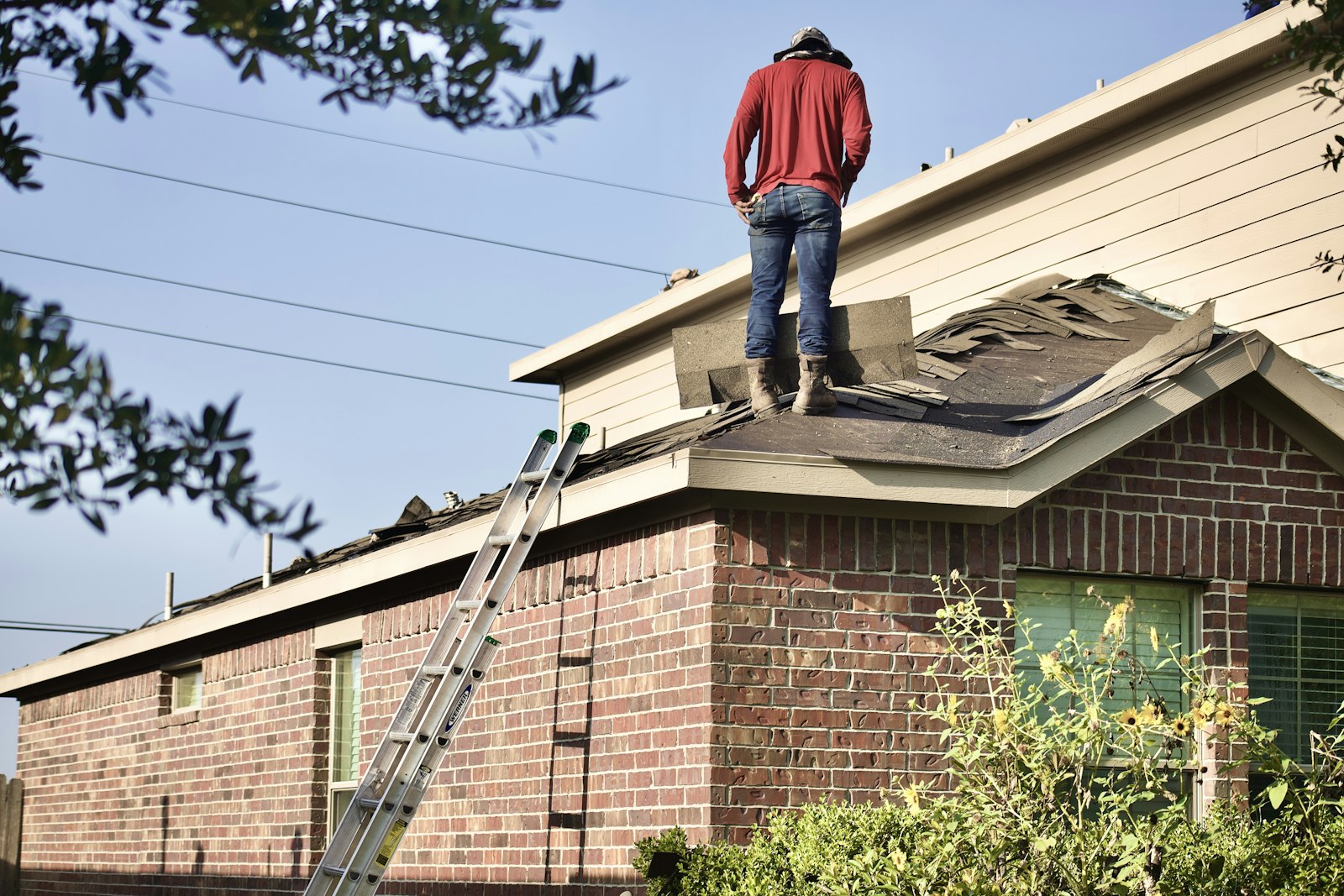
A roofing company’s service area rarely looks like a neat circle. You might take repair calls within twenty minutes of the shop, drive an hour for a full replacement, and follow a hail line into a county you barely knew last spring. Local SEO for roofing companies has to account for all of that.
This guide walks through how I approach it from the ground up, in the order I would do the work. For the shorter version of how I run this for roofers month to month, see the roofing SEO page.
Why Ranking Across a Roofing Service Area Is Harder Than It Looks
Google ranks local results on relevance, distance and prominence. Distance is the one roofers feel most. Your verified location anchors where Google tends to show you, so a roofer based on the north side of a metro can look dominant at home and be hard to find thirty minutes south, where a big share of the replacement work might be.
Demand also refuses to sit still. In Google Keyword Planner’s US data, monthly searches for “roofing contractor near me” ranged from about 14,800 in November 2025 to 135,000 in February 2026. After a hailstorm, searches cluster in whichever neighborhoods got hit, and those neighborhoods fill up with out-of-town crews. A local roofer has one thing those crews cannot fake on short notice: a history in the area. For this trade, local SEO is mostly the work of making that history visible.
Map Your Service Area Into Three Zones First
Before touching the profile, I sort a roofer’s territory into three zones. The core zone is where you can reach a leak the same day. The reach zone is where you will travel for a full replacement, but not a small repair. The storm zone is everywhere you have followed weather, and it changes every year.
Each zone gets a different strategy. The core zone is where your profile should compete in the map, so it gets the most reviews, photos and town-specific pages. The reach zone is usually won by the website, because a replacement buyer who researches for weeks will click through and read. The storm zone is the hardest to rank in from a distance.
Then search “roofer” and “roof replacement” from a few addresses in each zone, or ask past customers there for screenshots. Where you appear, and where you do not, is your baseline.
Set Up the Profile Like a Local Company, Not a Storm Crew
Your Google Business Profile does most of the map work. For most roofers the primary category is Roofing contractor. Add secondary categories only for work you really do, like gutters or siding. List services by name: roof repair, roof replacement, storm damage repair, inspections and each material you install.
Service areas trip up a lot of roofers. Under Google’s service area rules, you can list up to 20 service areas by city or postal code, and you can no longer set a radius around your shop. Google also says a service-area business can have only one profile for the whole area it serves. Pick areas that match your core and reach zones, not every town you have ever driven through.
Then make the profile look like a company that has been here a while: fresh photos of trucks, crews and finished roofs through the year, and hours that match when someone answers. I handle this monthly through Google Business Profile management, but a disciplined owner can do much of it alone.
Turn Finished Roofs Into Local Pages
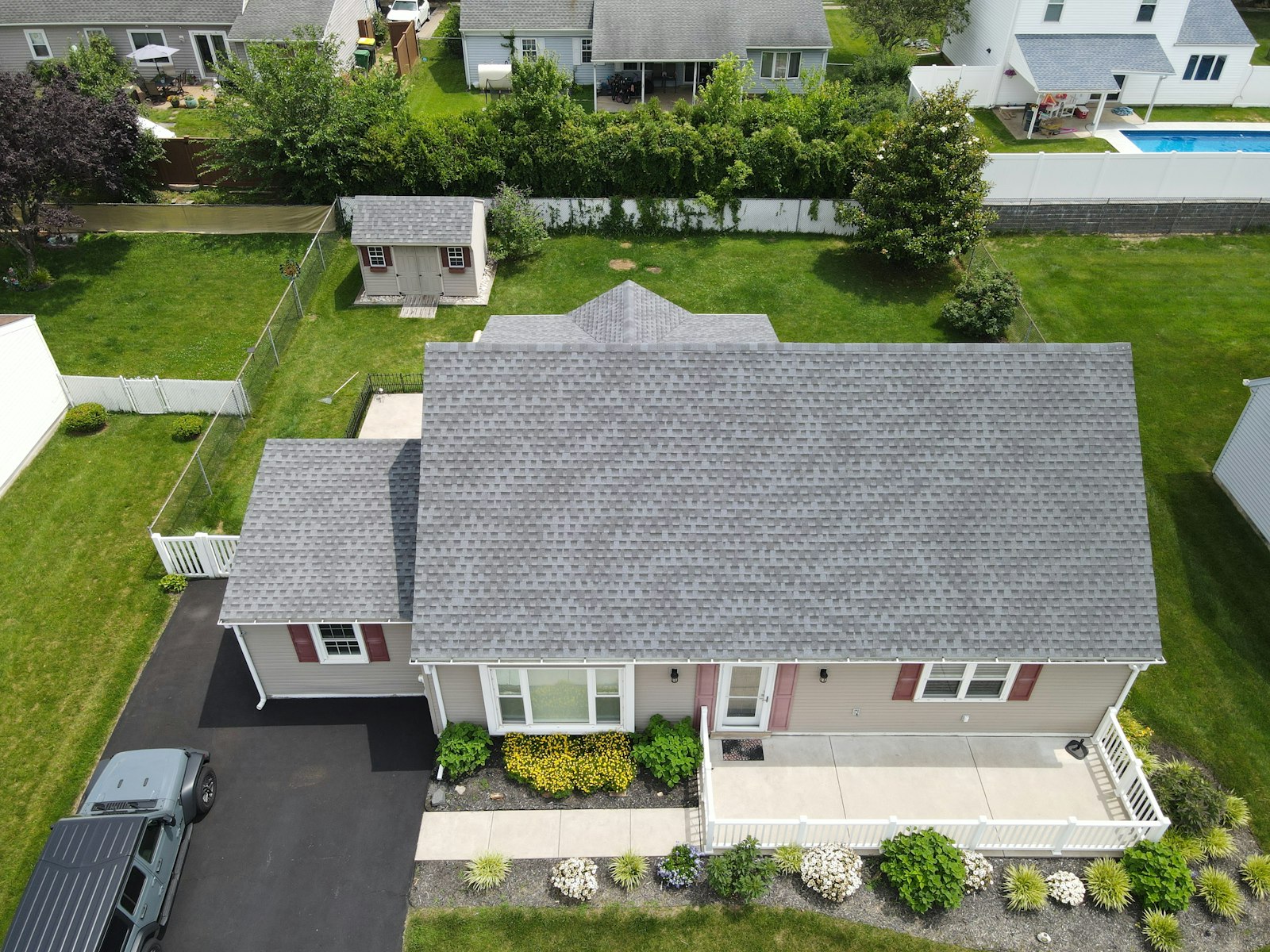
A page for each service is standard advice, so I will skip it here. What roofers have that most trades do not is a visible, photogenic finished product. Every completed roof can become a short project page: the town or neighborhood (with the homeowner’s permission), the problem, the material, the scope, and before and after photos.
Project pages also solve the classic city page problem. A page called “Roofing in Springfield” with the town name swapped from another page gives Google nothing new. A page about a metal roof replacement on a 1970s ranch house in a specific Springfield neighborhood, with drone shots and a note on what the decking looked like underneath, is evidence. After a year of these, you have local proof that is hard to copy.
Keep it honest: never invent a warranty term, a manufacturer status or an insurance outcome. Licensing rules vary by state, so check your state’s licensing board for what you need to display.
Build Prominence That Storm Crews Cannot Copy
Prominence is how well known Google thinks you are, judged from reviews and from what it finds about you across the web: links, articles and directories. For roofers, the best sources are relationships you already have: a supplier’s contractor list, a manufacturer program’s locator if you qualify, your local builders’ association or a sponsorship that earns a link from a school or league website.
Reviews matter too. Ask after the final walkthrough, when the yard is clean. Never buy or trade reviews. Keep your business name, address and phone consistent everywhere they appear, since roofers who have moved shops or changed numbers often have old listings quietly contradicting the new ones.
None of this happens in a week, which is exactly why a crew that rolled in after the last storm cannot copy it. If you are weighing what this work is worth paying for, I broke down what roofing SEO costs in 2026.

A 90-Day Starting Order for Roofers
In month one, map the zones, run the baseline searches and fix the profile. Clean up any directory listing that still shows an old phone number or address.
In month two, publish or rebuild your core service pages and start the project page habit with your best recent jobs. Make the review request part of the final walkthrough. In month three, start the prominence work with suppliers and local sponsors, then recheck your zones with grid tracking, which tests your map position at points across the area. Compare storm months with storm months, or the seasonal swing will mislead you.
Profile fixes can show up within weeks. Wider coverage across a large roofing service area usually takes several months, and nobody outside Google can promise where you will land. The full monthly scope is on my local SEO services page and plans are on the pricing page. If you would rather have me run the baseline, that is what a local SEO audit covers.
Local SEO for Roofing Companies: FAQ
Is local SEO the highest ROI channel for roofing contractors?
It depends on your market and how well you close. Local SEO has no per-click or per-lead charge, so as visibility builds, each extra call gets cheaper. It is slower to start, so judge it on cost per booked job over a year, not a month.
How does SEO help roofing companies win more local leads?
It puts you in front of homeowners at the moment they search, and gives them evidence to choose you: reviews, photos and pages about work in their area. The call comes straight to you rather than through a middleman.
Can I rank in a town where I don’t have an office?
In regular search results, yes, with strong pages and project proof from that town. In the map it is harder, because distance from your verified location matters. Don’t use a virtual office or mailbox to fake a presence, since Google’s guidelines require a real-world location.
See How Your Roofing Company Shows Up, Town by Town
Send me your business name and website. Within 3 business days, I will check your profile, pages and reviews across your service area against the roofers who are showing up, then walk you through it on a live call.