
Storm Season SEO: Getting Roofing Leads When Demand Spikes
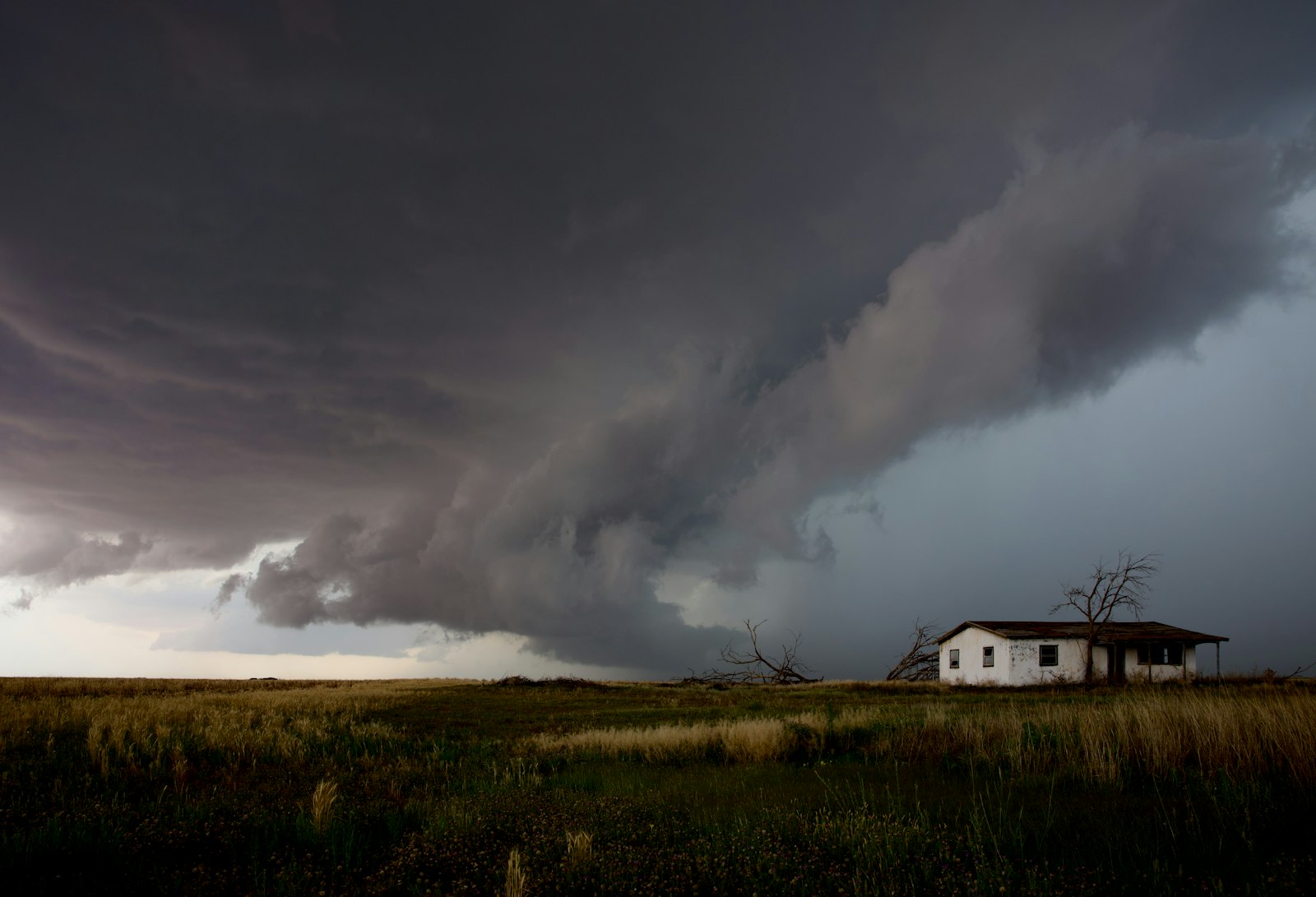
Most trades have a busy season. Roofing has busy days, and they arrive without notice. A hail line crosses one side of town at 4 p.m., and by morning hundreds of homeowners are searching for help while trucks from other states start knocking on doors. Roofing marketing that only switches on once the phone rings is already late.
This post follows a single storm from the week before to the month after, and what your search presence needs to do at each stage.
Roofing Demand Follows the Weather, Not the Calendar
National search data shows how sharp the swings are. In Google’s Keyword Planner, US searches for “storm damage roof repair” sat around 1,900 a month from October 2025 through February 2026, then hit 9,900 in July 2026. “Hail damage roof” peaked at 9,900 in April. Even “roofing contractor near me” ranged from 14,800 searches in November 2025 to 135,000 in February 2026.
Your own market will not follow those national curves exactly, because one storm path decides everything locally. What the numbers do show is that demand can multiply within weeks. A website and profile cannot be built in that window, so everything in the next section belongs to the quiet months.
Before the Storm: Pages That Have to Exist Already
A storm damage page published the day after a hailstorm starts from zero. The pages that win are already indexed and already linked from the rest of your site. Hail and wind deserve separate pages, because homeowners describe them differently: hail means dented vents and bruised shingles, wind means lifted tabs and missing pieces in the yard.
Each page should answer what the homeowner is wondering at that moment. What damage looks like from the ground, what to photograph before anyone climbs up, whether you offer emergency tarping and how fast, what your inspection involves and roughly how long it takes. Add a short, general explanation of the insurance process with a clear line that coverage depends on the policy and that you are not an insurance adviser.
These are the same questions homeowners now put to AI search, so writing them answer-first pays twice. I cover the format in answer engine optimization for roofing companies.

The First 72 Hours: Stay Visible While the Phone Rings
Right after a storm, the map pack does most of the work. Homeowners search from the damaged house, look at three listings and call. You cannot build rankings in three days, but you can make sure the profile Google already trusts looks alive and accurate.
Post an update on your Google Business Profile once you can actually respond: which areas you are inspecting, whether you are tarping, and a real photo from a job that day. Keep hours accurate, and do not claim same-day service your crews cannot deliver. A homeowner who waits four days after being promised one remembers it in the review. My Google Business Profile guide for roofing contractors covers the setup that makes these posts count.
Weeks Two to Eight: The Insurance and Replacement Wave
The urgent calls fade within days. The bigger jobs come later, from homeowners who have had an adjuster visit, have a claim number and are now collecting quotes for a full replacement. These buyers search differently, with questions like how to compare roofing quotes or what a roof replacement involves, and they read carefully.
This is where honest content becomes a sales tool. The FTC advice on avoiding scams after weather emergencies tells homeowners not to rely on a contractor to say what is covered, never to sign an insurance check over to a contractor, and to ask for license, insurance and a written contract. A roofer whose own site repeats that advice reads as the opposite of the crew in the rented truck.
Ask for reviews from the first storm jobs as soon as each roof is finished. Reviews that name the damage and the neighborhood are exactly what the next homeowner on that street reads before choosing.
Standing Out From Storm Chasers in Search
The same FTC guidance suggests homeowners search a contractor’s name alongside words like “scam,” “review” or “complaint.” Do that for your own business. If the results show a consistent profile, reviews going back years and a site with your license details, homeowners comparing you with an out-of-town crew have an easy decision.
Resist the temptation to copy chaser tactics. Google Business Profile guidelines say service-area businesses should have one profile for their central location and cannot list an unstaffed virtual office, so a temporary listing in a storm town puts your real profile at risk. A strong page about the towns you already serve does more.
Roofing Marketing Ideas for Years When the Sky Stays Clear
Some seasons bring no major storm to your area at all. That is when SEO earns its keep, because repairs, inspections, gutters and planned replacements keep coming. How does SEO help roofing companies win more local leads in a dry year? By keeping you visible for those steady searches while competitors who live on storm work go quiet.
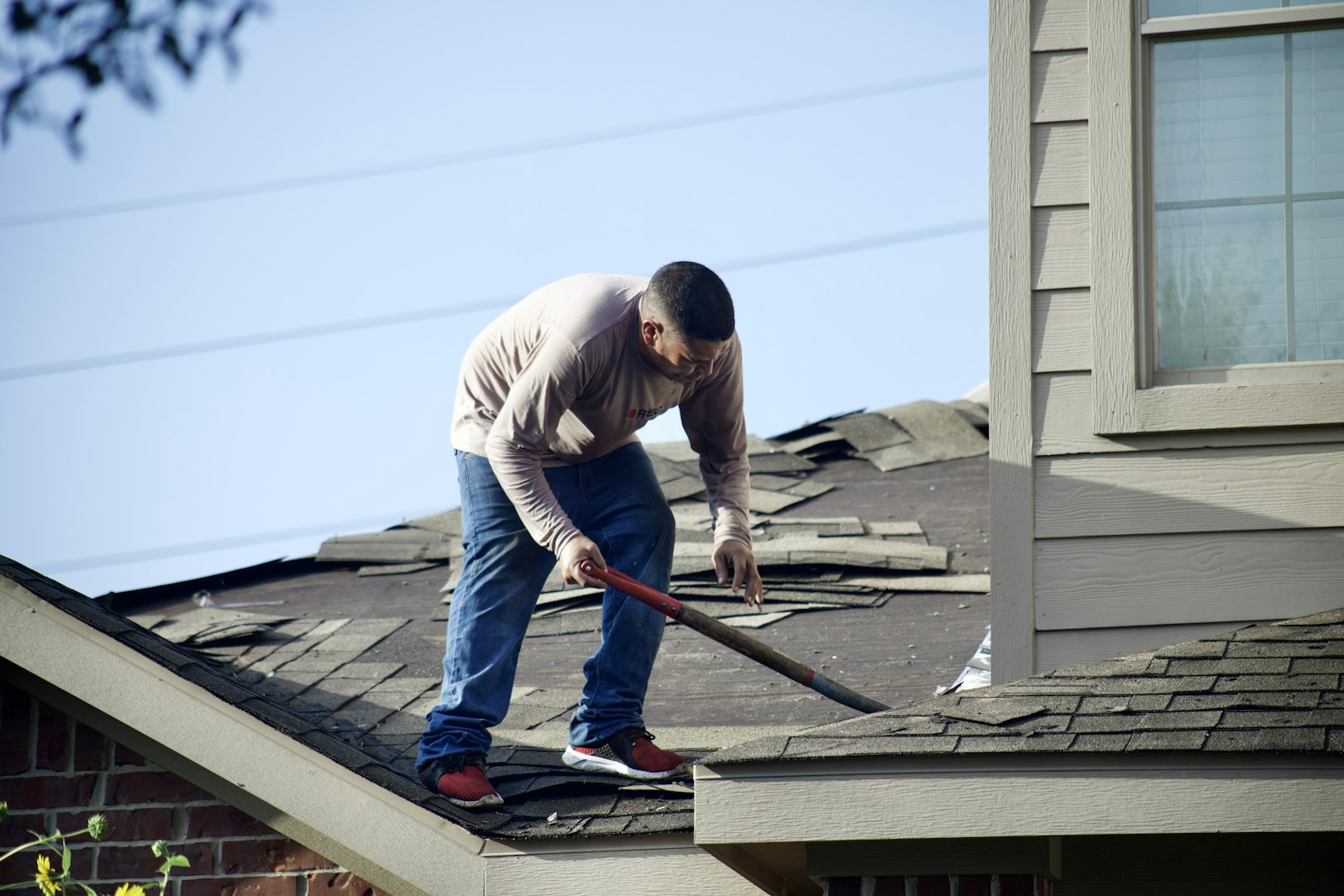
Practical ideas for the quiet months: publish one project write-up a month with before and after photos, refresh your storm pages with anything you learned last season, add a material comparison page, and keep asking every repair customer for a review. For more channels that do not depend on ad spend, see getting roofing leads without paid ads.
After the Season: Reading the Results Honestly
Compare calls, website clicks and direction requests from your profile across the storm months with the same period last year, and check which storm pages drew visits. One big hail event can swamp every other number, so read a single season as a trend, not a verdict. No plan can promise a ranking or a call count when the weather itself decides demand.
For a realistic sense of how long this work takes, read what a roofing company should expect from local SEO. The roofing SEO page shows how I run it month to month, and pricing lists every plan.
Storm Season Roofing Marketing: FAQ
Should I open a temporary Google Business Profile in a town hit by a big storm?
No. Google’s guidelines call for one profile at your real, staffed location with a service area around it. A temporary listing risks suspension of your main profile, which costs far more than the storm work.
How soon after a hailstorm should I post about it on my profile?
As soon as you can actually take the calls. Post which areas you are inspecting and a real photo, then update it as your schedule fills so nobody expects a visit you cannot make.
Is it worth writing a page about a specific named storm?
Only if you worked it. A factual recap with real photos and the towns affected can rank for a while and shows local experience. Keep the main hail and wind pages as the permanent ones.
What should I do with my storm damage pages when the season ends?
Leave them live and keep improving them. Add new photos, tighten the answers and update anything that changed, so they start next season stronger than they ended this one.
Get Your Roofing Business Ready Before the Next Storm
Send me your business name and website. Within 3 business days, I will check your storm pages, your Google Business Profile and the roofers you compete with, then walk you through what to fix first on a live call.