
How to Get More Plumbing Leads Without Relying on Paid Ads
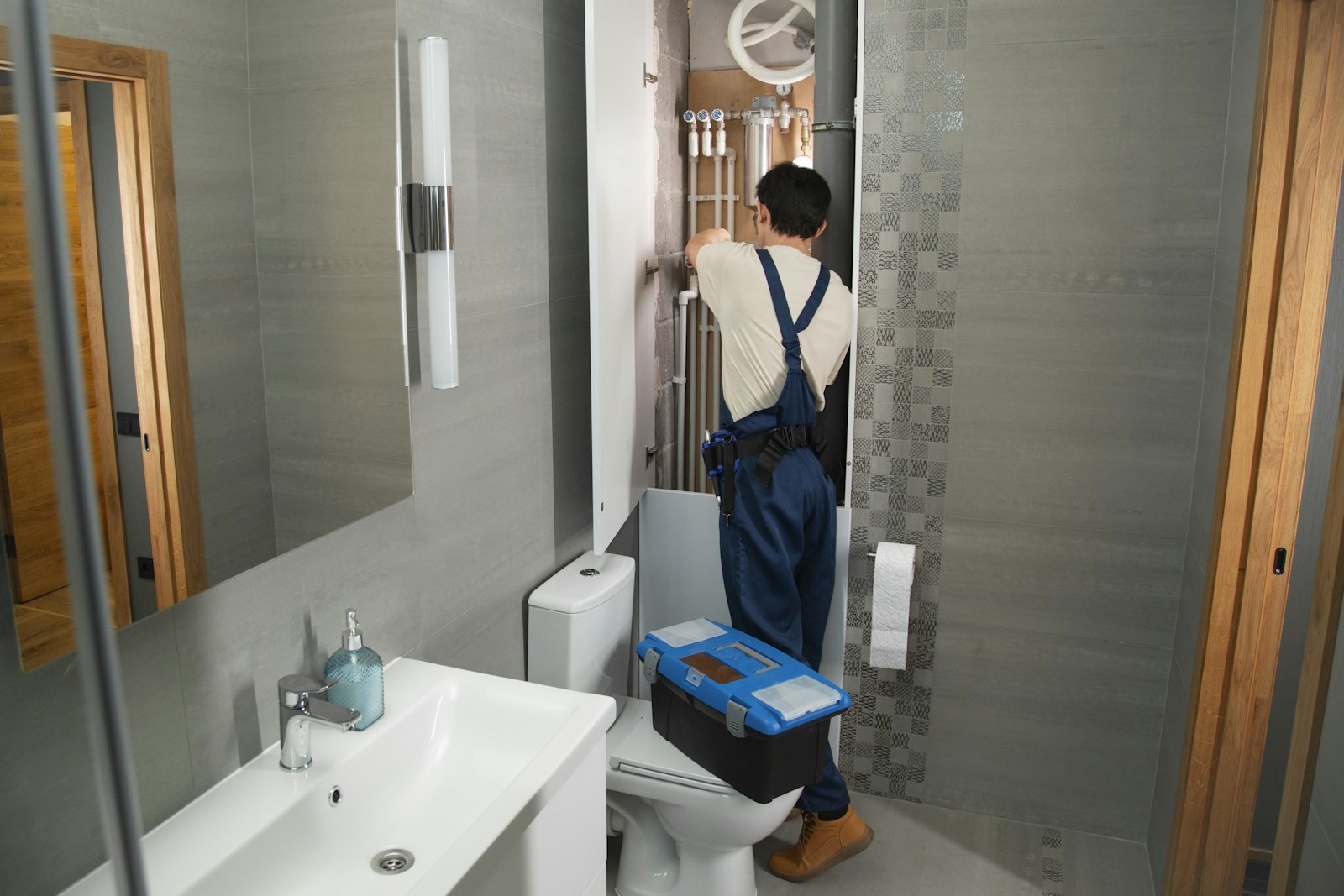
Most plumbing companies I talk to are not short on work in a cold snap. They are short on predictable work the rest of the year. Ads fill the gaps, but the leads stop the day the budget does.
This guide is about plumbing leads you own instead of rent, organized by the kind of job you want more of, because a burst pipe at midnight and a whole-house repipe are found in completely different ways.
Plumbing Leads Come in Three Different Shapes
The first shape is the emergency: a burst supply line, a backed-up main drain, no hot water before work. The homeowner searches on a phone, scans the map and calls within minutes. Whoever looks credible and answers first usually wins.
The second is the planned job: a water heater swap or tankless upgrade, repiping an older house with galvanized lines, trenchless sewer replacement. These customers research for days, read several websites and often get quotes. They are won by the plumber who explained the job best before the phone rang.
The third is recurring work: backflow testing, scheduled drain maintenance, water heater flushes. It fills slow months and keeps your name in front of people who will need a bigger job later.
Emergency Calls: Be the Plumber Who Looks Open Right Now
Emergency searches are decided mostly in the map results, which means your Google Business Profile does the heavy lifting. The basics matter more than any trick: the right primary category, emergency services listed as services, hours that match when you truly answer, and recent photos of real trucks and real jobs. I cover each field in my Google Business Profile guide for plumbers.
The part owners overlook is what happens after the click. If your profile says 24/7 and the call hits a full voicemail box at 11 p.m., that lead is gone. Before chasing more emergency visibility, make sure an after-hours call reaches a person or a quick callback, or more visibility just means more missed jobs.
Planned Jobs: How to Get Plumbing Leads for Big-Ticket Work
For planned work, your website is the salesperson. A single “Services” page listing fifteen jobs gives Google nothing to rank and a careful homeowner nothing to read. Dedicated pages for water heater replacement, sewer line repair and repiping give each job a real chance to show up and convert. Lumping them together is one of the most common plumber SEO mistakes I see.
The best of these pages answer the questions people ask before they call. For water heaters: tank versus tankless, what affects the installed price, whether a permit is needed. For sewer lines: what a camera inspection shows and when trenchless is or is not an option. You do not need exact prices, but explaining what drives the price builds the trust that turns research into a call. My guide to local SEO for plumbers covers how these pages work with your listings and reviews.

Recurring Work Most Plumbers Leave on the Table
Backflow testing is the clearest example. In many areas, water utilities require backflow assemblies on irrigation systems and commercial buildings to be tested on a schedule, often yearly, by a certified tester. If you hold that certification, every device you test is next year’s reminder, and an owner who trusts you with a compliance deadline is likely to call you for the next repair.
Commercial drain maintenance works the same way. Restaurants and apartment buildings with recurring grease or root problems would often rather pay for scheduled jetting than a weekend emergency. A short page describing your maintenance program can turn one emergency call into a year of planned visits.
Seasonal timing helps residential work, too. EPA’s WaterSense program runs Fix a Leak Week each March and reports that household leaks can waste nearly 1 trillion gallons of water a year nationwide. A spring post about hidden leaks, timed to that week, gives homeowners a reason to book a check before a drip becomes a slab leak.
Plumbing Lead Generation Through Trade Partners
Plumbing lead generation does not have to mean advertising. Several trades regularly find plumbing problems they cannot fix themselves. Water damage restoration companies dry out the house but need a plumber to repair the failed line. Kitchen and bathroom remodelers need drains and supply lines moved by someone who shows up on schedule.
Keep the approach narrow. Pick two or three local companies in those trades, explain which jobs you handle and how fast you respond, then do the first job flawlessly. One reliable remodeler can send more repiping and fixture work in a year than a stack of generic flyers.

The Leads You Already Paid For: Your Past Customers
Your job history is a lead list most plumbing companies never open. A household whose water heater you installed years ago is approaching a replacement decision. A customer whose clay sewer line you cleared of roots twice is a natural candidate for a camera inspection. A short, useful message at the right time reads as service, not a sales pitch.
Past customers are also your best source of reviews, which feed the map results for emergency searches. Ask every customer the same day with a direct link, as I explain in my guide to getting more Google reviews as a plumber.
Why Shared Lead Platforms Are Still Renting
Pay-per-lead marketplaces are not ads in the usual sense, but they behave like them. The lead is often sent to several plumbers at once, and the work stops when the payments do. They can fill a gap for a new company, but they rarely build anything that lasts.
A service page that keeps ranking, a profile with years of reviews or a remodeler who calls you first all take months to build, and nobody can promise exactly how many calls they will produce. But they belong to you. My post on realistic local SEO timelines for plumbers covers what that build-up typically looks like.
Where to Start This Month
Start with the emergency basics, because they pay back fastest: tighten your profile and fix after-hours answering. Next, build one strong service page for the planned job you most want. Then add one recurring program and one trade partner, and ask every new caller how they found you.
If you would rather have a plan built around your market, my SEO for Plumbers page explains how I approach this work.
Plumbing Leads: FAQ
Are purchased plumbing leads worth it?
They can fill short-term gaps, but they are usually shared with other plumbers and stop when you stop paying. Treat them as a supplement while you build sources you own.
Do I need a website, or is a Google Business Profile enough for plumbing leads?
A profile alone can bring emergency calls, but planned jobs like water heater replacement or sewer line work are usually researched first, and a dedicated page for each gives careful customers a reason to choose you.
Which plumbing services make the best organic leads?
Usually the high-value planned jobs your crew does well, such as water heaters, repiping or sewer line repair. One strong page for those often matters more than a dozen thin pages for small repairs.
How can a small plumbing company get more emergency calls at night?
List emergency service only if you truly offer it, keep your hours accurate, and make sure after-hours calls reach a person or a fast callback. Visibility without an answered phone turns into missed jobs.
Find Out Where Your Next Plumbing Leads Should Come From
Send me your business name and website. Within 3 business days, I will audit your Google Business Profile, your service pages and the plumbers you compete with, then walk you through the lead sources I would build first.