
Answer Engine Optimization for Plumbing Companies: Getting Found in AI Search Results
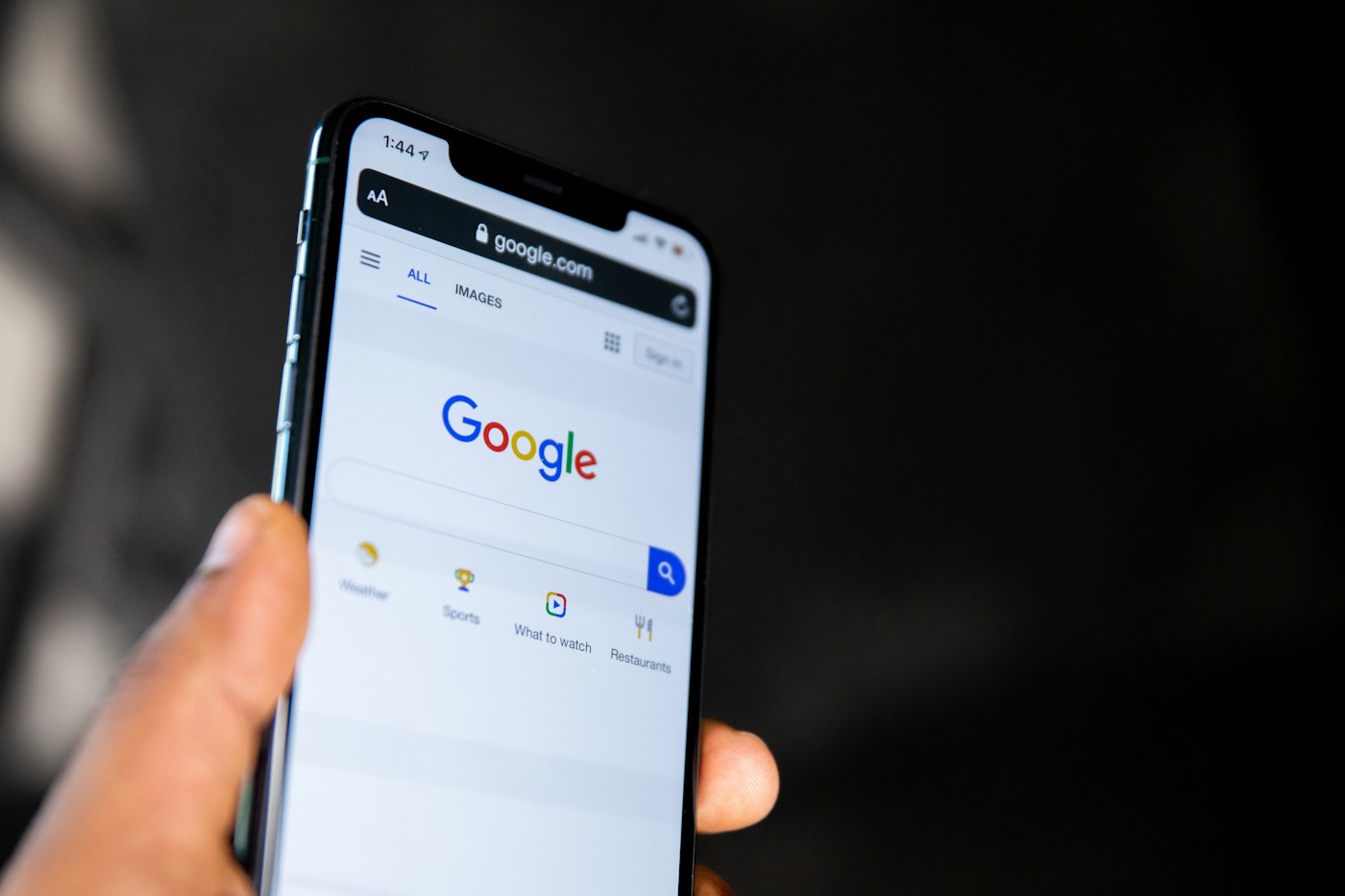
A homeowner hears a popping sound from the water heater at 9 p.m. They type or say the question, and Google often answers it at the top of the page, in an AI Overview, a featured snippet or a voice reply. Somebody’s website supplied that answer. Answer engine optimization is the work of making sure it was yours.
This post covers your own site. The off-site side, how ChatGPT and similar tools decide which plumbers to name, is covered in GEO for plumbers.
What Answer Engine Optimization Means for a Plumbing Company
Classic SEO asks whether your page ranks. Answer engine optimization asks a narrower question: when Google decides to answer the search directly, is your page the one it can pull a clean answer from? For a plumbing company, those searches are mostly questions homeowners ask before or during a problem, not “plumber near me” searches.
There is no secret switch for this. Google’s documentation on AI features says plainly that there are no additional requirements to appear in AI Overviews or AI Mode beyond normal search eligibility: the page has to be indexed and eligible to show with a snippet. So answer engine optimization sits on top of the basics in my guide to local SEO for plumbers. What it adds is a deliberate way of writing so the answer is easy to lift and hard to misread.
The Plumbing Questions Worth Answering
Not every question earns a page. The useful ones sit next to work you actually want, and they tend to fall into four groups. Triage questions come in the middle of a problem: how to shut off the main water valve, why the water heater is leaking from the bottom, whether a gurgling toilet means a sewer line issue. Decision questions come before a big ticket: tank or tankless, repair or replace a 12-year-old water heater, spot repair or full repipe.
Cost questions are the third group: what a sewer camera inspection usually costs, what drives the price of slab leak repair. The fourth is compliance, which most plumbing sites ignore entirely: how often a backflow preventer needs testing in your area, whether a water heater swap needs a permit, how to check that a plumber is licensed with the state plumbing board. Local, specific answers are worth quoting.
For a source list, write down the questions your dispatcher hears for two weeks and add the “People also ask” boxes from searches for your main services.
How to Write an Answer Google Can Lift
Put each question in its own heading, worded the way a homeowner would say it. Directly under it, answer in two to four plain sentences that make sense on their own, because that block may be shown with nothing around it. Then add the conditions that change the answer and when it stops being a DIY job.
Here is the difference in practice. A typical tankless page says the company “provides expert tankless water heater solutions for your home.” An answer-first version opens with something like: “Most homes need a tankless unit sized for their peak hot water demand, not the size of the old tank. Gas units usually need a larger gas line and new venting, which is why installation costs vary so much.” The first gives Google nothing to quote.
State conditions instead of absolutes, since every house is different, and keep published price ranges current. A range from three years ago becomes a wrong answer with your name attached, one of the quieter plumber SEO mistakes.
Structured Data for Plumbers: What It Does and Does Not Do
Structured data helps search engines read your page, but it does not create answers. A common misunderstanding: plumbing sites adding FAQ markup and expecting the drop-down questions to appear in Google. Since 2023, Google has limited FAQ rich results to well-known, authoritative government and health websites, so a plumbing company will not get that display no matter how clean the code is.
Markup is still worth having when it describes the page honestly. A LocalBusiness or Plumber type on your contact and service pages, with the same name, phone number and service area that appear on screen, removes ambiguity. FAQ markup can still describe a real question-and-answer section. The rule Google repeats is the one that matters: structured data should match the visible text on the page.
Voice Search and the Late-Night Plumbing Question
Voice assistants usually give one spoken answer rather than a list, which makes them the strictest version of an answer engine. Spoken questions tend to be urgent: how do I turn off the water to my house, why is there no hot water. A short, calm, correct answer suits being read aloud.
This is also where safety and trust meet. Answer the safe part, such as where the main shutoff usually is and how to turn it, then say clearly when to stop and call a licensed plumber, especially for anything involving gas lines or a water heater’s relief valve.
How to Measure Answer Engine Optimization
Google reports traffic from AI Overviews and AI Mode inside the regular Performance report in Search Console, under the Web search type, so there is no separate AI dashboard to wait for. A practical workaround is to filter queries that start with question words such as how, why, what or can. Watch impressions and clicks on them over a few months.
Then check the answers themselves. Search your target questions from a phone monthly and note whose page is the source. Expect slow, uneven movement rather than overnight jumps, and remember that being quoted is never something anyone can lock in.
Where Answer Engine Optimization Stops
All of this happens on pages you control. What it cannot fix is how the rest of the web describes your company: listings, reviews, license records and mentions on other sites. That is the off-site job behind showing up in ChatGPT and other AI tools, and the two work best together. A messy profile undercuts both, so if yours needs work, start with my Google Business Profile guide for plumbers.
If you would rather hand this off, my answer engine optimization service is included in every plan, and the full plumbing build is on the SEO for Plumbers page.
AEO for Plumbing Companies: FAQ
Should a plumbing website still use FAQ schema if Google no longer shows FAQ rich results?
It is optional. FAQ markup will not produce the drop-down display for a plumbing company, but it can still describe a real question-and-answer section. The visible answers matter far more, so only mark up what is actually on the page.
Can an AI Overview or featured snippet take calls away from my plumbing website?
For simple DIY questions, some readers will get the answer and never click. For anything that turns into a job, like a leaking water heater or a sewer backup, the homeowner still needs a plumber, and being the quoted source puts your name in front of them.
How long should an answer be on a plumbing service page?
Lead with two to four sentences that fully answer the question on their own, then go as deep as the topic needs underneath.
Do I need to publish DIY plumbing tips to show up in AI answers?
Only safe, simple ones, like finding the main shutoff or checking a tripped water heater breaker. Pair each with a clear point to stop and call a licensed plumber, and skip anything involving gas or relief valves.
Find Out Which Questions Your Site Should Be Answering
Send me your business name and website. Within 3 business days, I will review your service pages, the questions homeowners in your area are asking and who Google currently quotes, then walk you through what I would fix first.