
7 SEO Mistakes Plumbing Companies Make That Kill Their Google Ranking
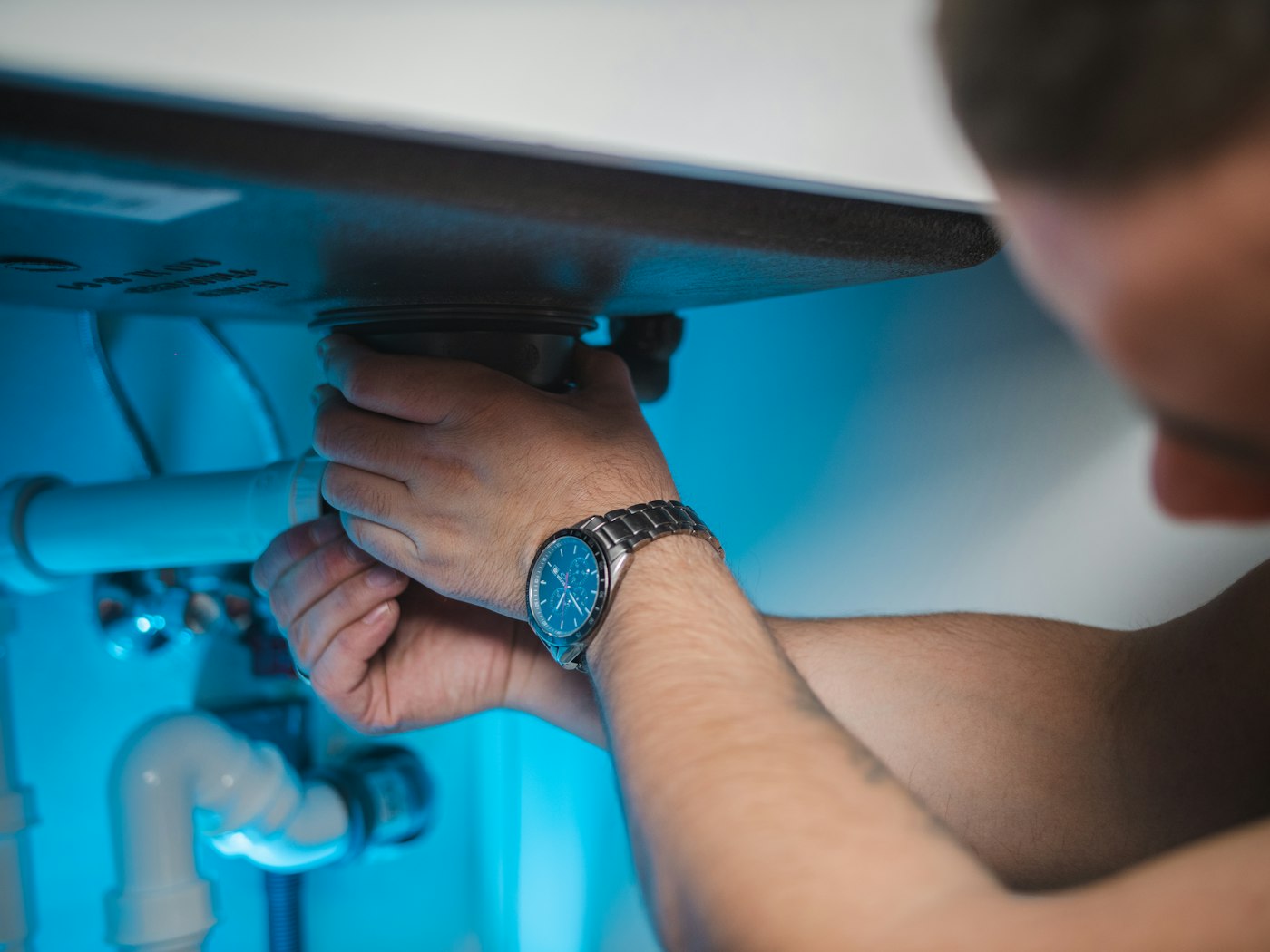
When a plumbing company tells me they are not showing up on Google, the cause is usually not a mystery algorithm change. It is one or two everyday mistakes that have been sitting there for months, quietly costing calls. Plumber SEO is mostly about removing those leaks before adding anything new.
Here are the seven I run into most, why each one hurts, and what to do about it. If you want the full picture of how local rankings work first, start with my guide to local SEO for plumbers.
Mistake 1: Stuffing Keywords Into Your Business Name
“Smith Plumbing | 24/7 Emergency Plumber Dallas” might look like a clever way to rank, and sometimes it even works for a while. It also breaks Google’s guidelines for business names, and competitors can report it. The usual outcome is a forced name edit or a suspended profile, which takes you out of the map entirely while you sort it out.
The fix is simple: use the name on your truck and your paperwork, nothing more. Put the services and city in the places built for them, which are your categories, services list, service area and website. I walk through each of those fields in my Google Business Profile guide for plumbers.
Mistake 2: Not Owning Your Own Google Business Profile
A surprising number of plumbing owners do not control their own profile. A previous marketing provider, a lead-generation company or an old employee set it up, and they still hold the owner role. That means you cannot fully edit your own listing, and if the relationship ends badly, getting it back can take weeks.
Check who the primary owner is in your profile settings today. If it is not you, request ownership transfer, and keep anyone you work with as a manager rather than the owner. The same goes for your domain and website hosting. If I handle your profile management, you keep full ownership of every login.
Mistake 3: Copy-Paste City Pages
Building a page for each town you serve is a reasonable idea. Building twenty identical pages where only the city name changes is not. Thin, near-duplicate location pages are what Google’s spam policies describe as doorway pages, and they tend to get ignored or treated as low quality rather than helping you rank.
A useful location page has something genuinely local on it: the neighborhoods you work in, common issues in that area such as older homes with galvanized pipes or hard water that wears out water heaters, real jobs you have done there, and reviews from customers in that town. If you cannot write something specific about a town, it probably does not need its own page yet.

Mistake 4: Phone Numbers Scattered Across the Web
Over the years a plumbing company picks up phone numbers the way a truck picks up dents: an owner’s cell, an old office line, a number from a directory ad, a few call-tracking numbers from campaigns that ended. When Google sees different numbers attached to your business on different sites, it has less confidence that any of them is right.
Pick one main number and make it the one on your profile, your website and every directory listing. If you use call tracking, set it up so the main number stays primary on listings. Then search your old numbers and correct the directories that still show them, starting with the big ones like Yelp, Angi, the Better Business Bureau and Apple Maps.
Mistake 5: A Slow Site With No Easy Way to Call
Most urgent plumbing searches happen on a phone, often in a stressful moment. If your site takes a long time to load, or the phone number is buried in the footer, the visitor goes back and taps the next plumber. That lost visit is a lost job even if you ranked well enough to earn it.
Open your site on your own phone, on mobile data rather than Wi-Fi. You should see what you do, where you work and a tap-to-call button without scrolling. Each important service should have its own page that loads quickly and makes the next step obvious. Fancy design matters far less here than speed and clarity.
Mistake 6: Letting Reviews Stall, or Gaming Them
Reviews are both a ranking signal and the thing customers read before letting you into their home. Two opposite mistakes show up often. Some companies stop asking, so the newest review is a year old. Others try shortcuts: offering discounts for five stars, asking only happy customers through a filter, or having friends post reviews. Google’s policies prohibit those tactics, and reviews can be removed or the profile restricted.
The steady approach works better: ask every customer the same day with a direct link, reply to every review, and handle negative ones calmly in public. A profile with recent reviews and thoughtful replies looks like a business that cares, which is exactly what a homeowner is checking for.
Mistake 7: Measuring the Wrong Thing
Many owners check their ranking by searching “plumber” from their own office. That result is heavily shaped by your location, so it tells you almost nothing about how you appear to a homeowner across town. Others track a single vanity keyword and ignore the searches that actually bring paying jobs, like water heater replacement or sewer line repair.
Better measures are the ones tied to the phone: calls and website clicks from your profile, form submissions, and visibility checked across a grid of points in your service area for the services you care about. If a provider reports only rankings, ask how those connect to calls, one of the checks I cover in what plumbing SEO should cost.
Where to Start
If several of these sound familiar, fix them in order of risk: name and ownership first, since those can take you offline, then phone numbers and city pages, then the site, reviews and reporting. Results from cleanup build over months rather than days, and nobody can promise a specific ranking afterward. If you want a structured review, my local SEO audit looks at your profile, listings and site together, and the plumbing-specific build is on the SEO for Plumbers page.
Plumber SEO Mistakes: FAQ
Should a plumber make a separate page for every city they serve?
Only for towns where you can say something genuinely local, such as the neighborhoods you cover, common plumbing issues there and real jobs or reviews from that area. Near-identical pages with only the city name swapped tend to be ignored or treated as low quality.
Can SEO mistakes get my plumbing business penalized?
Some can. A keyword-stuffed business name or fake reviews can lead to a suspended or restricted Google Business Profile, and spammy doorway pages can be treated as low quality. Most other mistakes simply cost visibility rather than triggering a penalty.
How do I check whether my plumbing website has an SEO problem?
Start with three quick checks: search your business name and old phone numbers to find inconsistent listings, open your site on your phone over mobile data to test speed and the call button, and look at who owns your Google Business Profile. Those catch the most common issues.
How long does it take to recover from these mistakes?
Profile fixes like correcting the name or hours can show up within weeks. Cleaning up listings, rebuilding thin pages and growing reviews usually takes several months to show broader results, and the timing varies by market.
Find Out Which Mistakes Are Costing You Calls
Send me your business name and website. Within 3 business days, I will audit your Google Business Profile, your website and the plumbers you compete with, then walk you through what I found on a call, starting with what I would fix first.